Fastest Known Times aka FKTS are hot press in the thru-hiking and hiking community, gaining more and more momentum every season. Achieving accomplishments like Calendar Triple Crowns, that is thru-hiking the Appalachian, Pacific Crest and Continental Divide Trails in a calendar year are incredible feats of mental and physical strength, one that I personally admire. For your pure curiosity, that is over 7,000 miles in twelve months. To accomplish this, speed, high mileage and little to no zeros (days not spent hiking) are undoubtedly critical. With any thru-hike, speed and higher mileage makes for a cheaper hike. The longer a hiker lingers around town the more that cheeseburger becomes appealing or that extra night in that cozy warm hostel bunk.
What got me into this type of hiking one may ask? On February 22, 2021 I woke up to the rising sun at Gooch Mountain Shelter, mile 15 on the Appalachian Trail. Surrounding me the night before were dozens of tents and nervous chuckles of first-time thru-hikers eager to start their adventures. Now none remained. I glanced at my phone and read “9:30”am it read. Was I late for something? When I packed up and set off on the trail, I pondered about the other hikers and why they had taken off so early. Weeks passed before I understood that thru-hiking had become this game of-how many miles could one do in a day. In fact, many of the conversations I had were centered around miles to the point where I came up with my own set of responses. I’d say
“It doesn’t matter. It’s wherever my body and feet take me today. When they tell me to stop, I stop.” Some would be impressed by my commitment to my body while others belonged to the “You’ll never make it in time” crew. Now, I’ll admit early in my thru-hike, I frequently compared myself to other hikers. Why can’t I climb fast enough? When will I be able to do twenty mile days? Will I ever get a tramily because I can’t keep up? These thoughts swirled in my head like a tornado until finally my body decided that it was enough. By the time I got to Franklin, North Carolina, my right ankle was swollen and painful, forcing me to take six days off trail. Inside my hotel room, I felt my mindset shift as I worried about the possibility of my ankle ending my hike. Was the risk of pushing my body worth keeping up with others? Was making miles worth the risks to my body? And most importantly was it worth my happiness? With rest, time and a fresh pair of boots, my ankle improved and my mindset shifted. Thru-hiking was about independence, setting up camp in beautiful places, chasing the sun and doing it at my pace. The only one that could hike the trail was me. I embraced these newfound revelations and took time-eight months on the AT and two seasons to complete the CDT. Nearly five thousand miles of trails have led me to become a huge advocate for the SKT or Slowest Known Time and here’s why.
Taking it All In
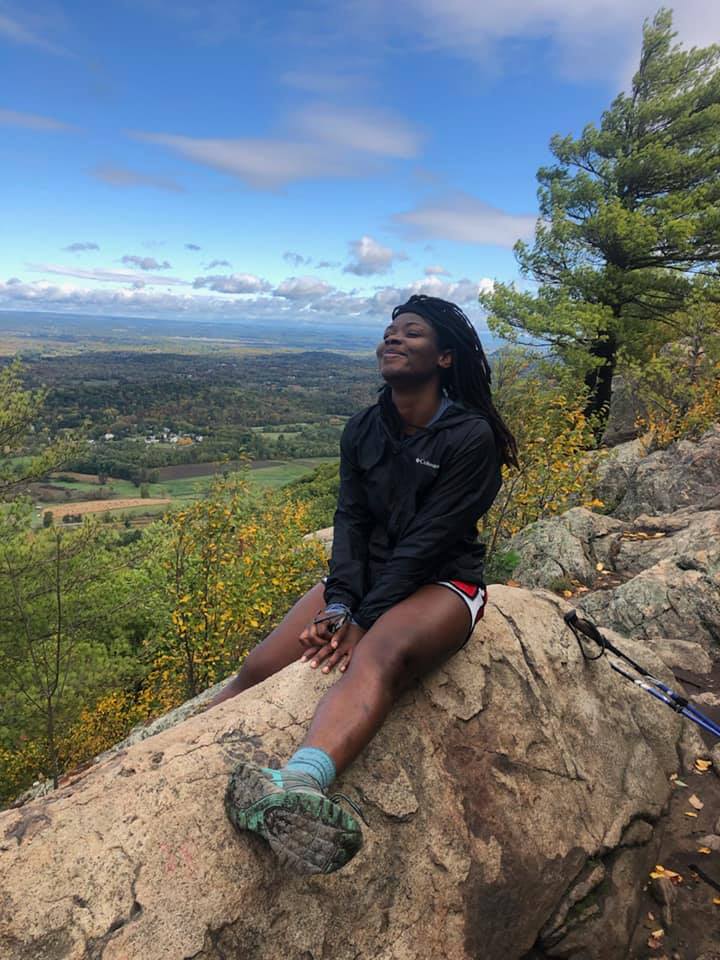
Seeing the forest emerge from a blanket of powdery snow to lush meadows dancing in a sea of wildflowers was a humbling experience. To hike through four seasons on both trails, opened my eyes to the true personalities of nature. Being distracted by a cluster of butterflies drinking from a spring, the babbling of a river and the sweet bursts of berries in my mouth, came at a steep price. The price of pure happiness, awareness and true freedom from the narrative of society that says we must be doing something to feel productive. One of the benefits of slowing down is being able to fully immerse in nature. To just exist is simply enough for me. There’s nothing to prove or no one to answer to, it just is. The Moon rises, the sun sets, while the Earth takes a deep exhale that makes the golden fields of hay dance in rhythm. This, I have all seen, as I have existed with nature as it exists around me. The simplicity of the trails allowed me to be more present and in-tune with nature and myself. Being mostly a solo hiker, I lived by my own rules. Never pass up a good campsite or a good overlook. Instead of being amped up on miles, I became amped up on incredible scenery. Afterall, this is something that I got to do. Beauty is not something that can be rushed, it is meant to immerse in.
Meeting People
Taking zeros ( a day off) on trail is a great way to meet other hikers, especially in a hostel. Slowing down has an added perk of socializing and engaging in trail culture. Thru-hikers are generally nice, outgoing and welcoming folks, given that we share a similar goal. Everyone has a story to tell and slowing down allows you to hear their stories, cook dinner together or maybe spend a day together in town. On the CDT, I went weeks without seeing other thru-hikers which intensified my need to socialize. Once in town, I’d book a bunk-always a double zero, arrive at the hostel and be greeted by a plethora of hikers who’d eagerly wanted to hand me a beer and pizza. There was also tons of trail magic on the Appalachian trail in which breakfast and burgers were being cooked by kind people in the community called Trail Angels. At many of these outings, there were chairs in a circle for hikers to rest, socialize and enjoy a break from hiking. It was an open invitation to slow down and so I did. It only leads to rewards on the AT.
Time and Flexibility
There’s the saying “The last one to Katahdin wins”. Why rush back into the confines of civilization? Yet, when I thru-hiked the AT I experienced what I call “The Panic”. The panic can creep up on a hiker like a vine, convincing them that they will not make it through their thru-hike before weather or Katahdin closes. The result of this was that they did big miles and fretted about those miles constantly. I’m fully aware that it’s important to “make miles” when snow or park closures are imminent, but there are other options. As someone who hikes slowly, I have faced this “fear” on both trails, requiring me to be flexible. October brought imminent threats of snowstorms, forcing Baxter State Park to close at any moment. With hopes of summiting on my birthday, I tried pushing my way through the rocks and roots without progress, forcing me to flip up to Katahdin on October 7th 2021 and hike South back to the border of NH. When I descended it felt like a huge boulder was being ripped off my back, allowing me to hike without worry. My thru-hike is about completing it not about the terminus, I told myself. Being slow doesn’t equate to not completing a thru-hike, it encourages personal growth in being able to adapt. Things can and will go wrong. Making adjustments such as flip-flopping, section-hiking or taking two seasons does not equate failure or not being a real “thru-hiker” as others may judge. Allowing yourself enough time to enjoy the trail without stressing about outside obligations and you’ll have a better chance of completion. If you can start earlier, then do it. Giving yourself ample time sets one up for success, whereas rushing can lead to finishing faster than one intends, with idle time back on the couch.
The Cost of Injury
After six months of physical therapy and nine months not hiking, I found myself on a paved road in Grants, New Mexico, where I began the second section of my 2023 thru-hike of the Continental Divide Trail. With a stronger yet still painful right ankle, I vowed to be kind to my body by stretching, taking breaks and most importantly, not doing twenties. Did I listen? Partially. New Mexico, a vast wilderness of scorching heat, long water carries, enchanting canyons and what seemed like eternal daylight, was also predominantly flat. Flat meant that miles came easier so I ramped them up, starting with sixteen mile days. Two months later, my ankle swelled up and my achilles was a deep purple bruise. In fear of my hike ending, I rested while sobbing as my ankle showed improvements.. In 2022, I completed nearly half of the CDT, so time was in my favor. Standing by my vows, I’d made myself, I hiked on like a tortoise, barely making fifteen miles a day. As part of my routine, I took breaks every hour, allowing my feet to breathe and my ankle to rest. Going fast may mean going far but does it mean without afflictions? Injury is one of the biggest reasons thru-hikes fail. Starting a thru-hike like a galloping horse before the body has had time to adjust, can spell disaster. Slow and steady, gives the body time to build up “trail legs” and physically adjust to the changes of its new adventure. I’ve learned that my calves are burning and I pant like a dog while I am climbing up a mountain that I am pushing too hard. Going slower can save money and minimize injury while being injured can come with undesirable costs. Be kind to your body and it will take you thousands of miles.
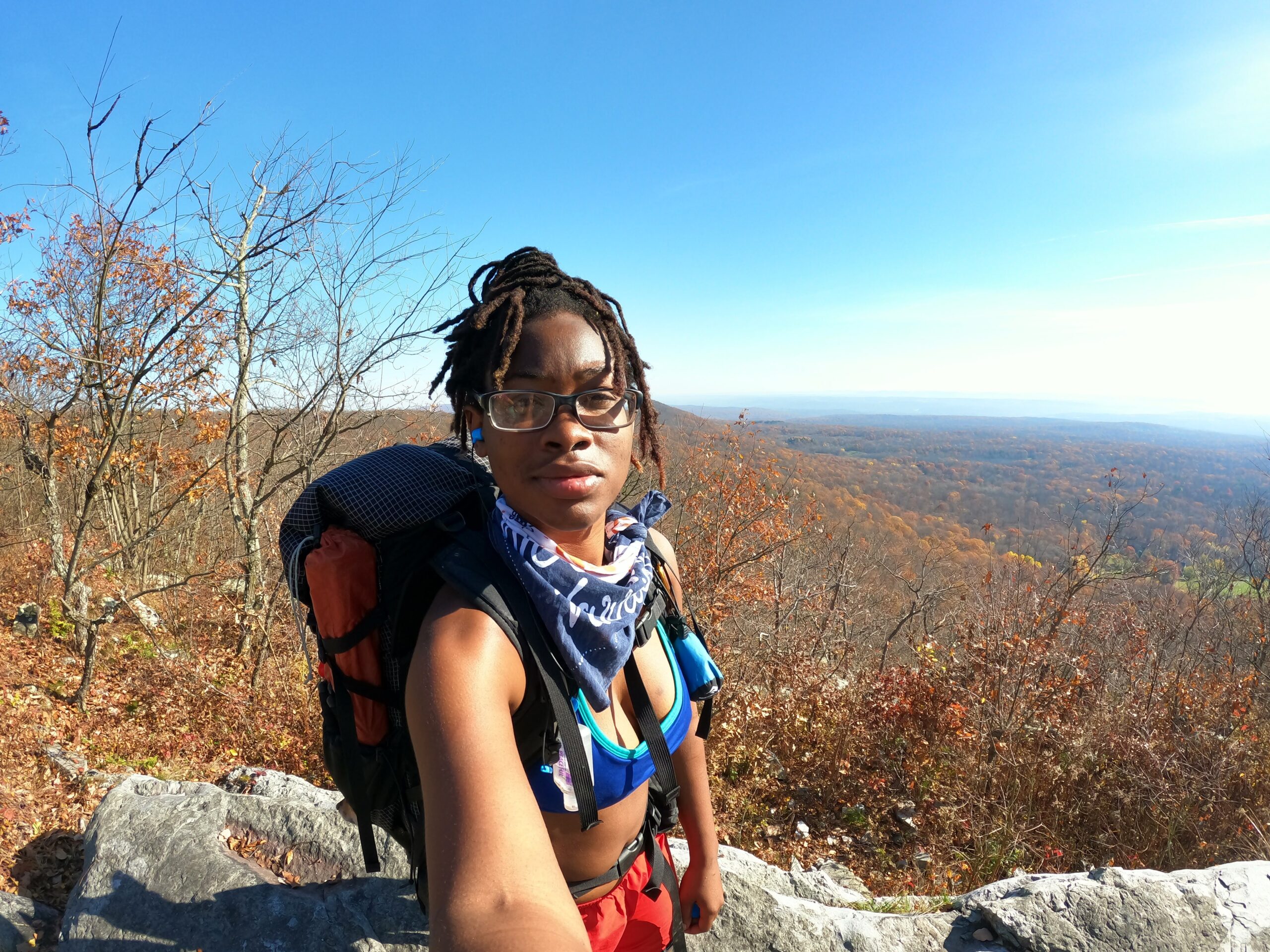
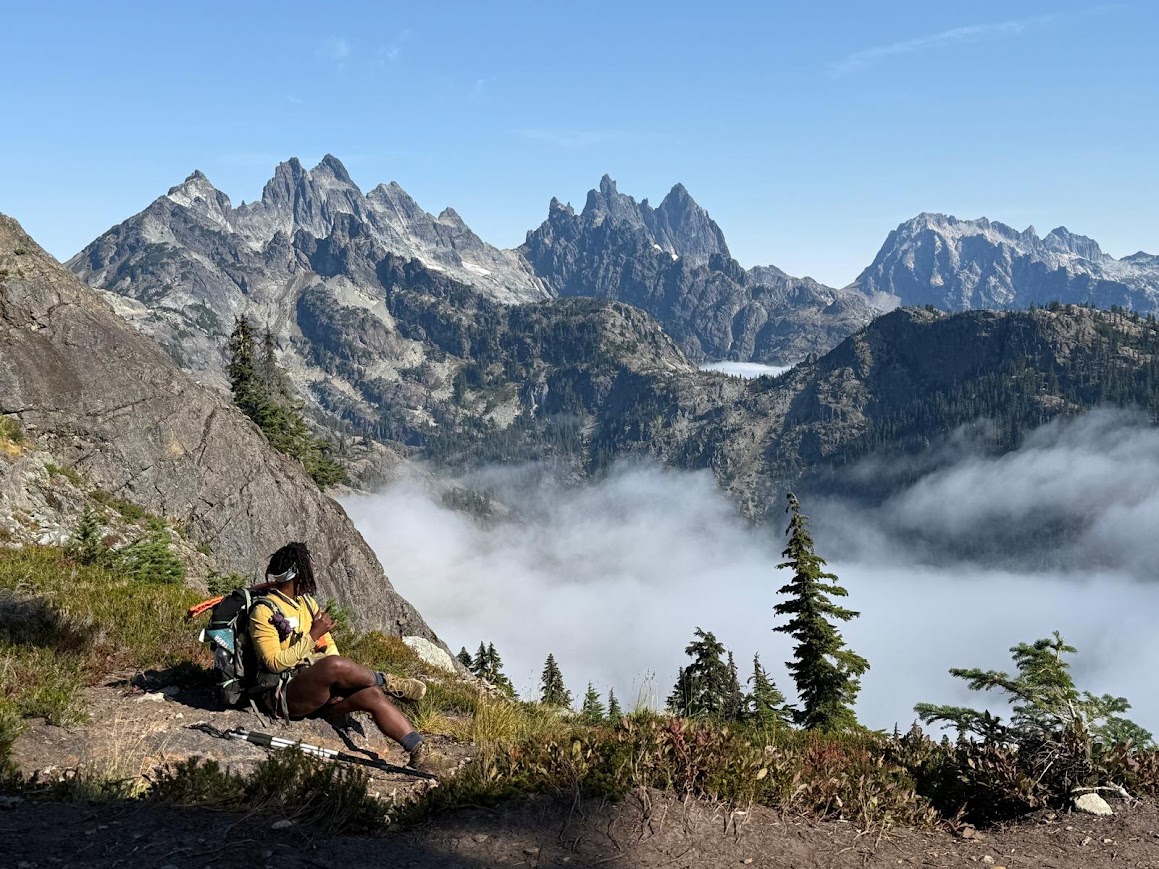
Void of recognition or any registers, SKT’s don’t get the credit that they deserve in the outdoor community and that’s okay. They aren’t necessary. Happiness does not depend on being added to a list. Experiences and memories of my thru-hike are logged in my GoPro, my journal and most importantly, my heart. Looking back on them, I have no regrets as I got to sit at every view, camp in every spot and do exactly what I wanted at my own slow pace. Going slow can be beneficial for a variety of reasons such as preventing injury, reducing costs, fostering growth and being present with nature. Miles will come and go but when it ends, what will you remember? Will it be the miles or will it be the serrated peaks piercing the sapphire blue sky at that lake you sat at?